What are the differences between polyethylene color masterbatches, polyester color masterbatches, and polypropylene color masterbatches?
What are the differences between polyethylene color masterbatches, polyester color masterbatches, and polypropylene color masterbatches?
Formula compatibility differences
The core difference among these three types of color masterbatches lies in the carrier resin system, which is adjusted to match the corresponding substrate. The formulation also adjusts the additive formula and processing tolerance conditions accordingly.
Polyethylene color masterbatches mainly use polyethylene as the carrier, with a lower melting point and a wide processing window. They are mostly used in films, packaging bags, injection molded parts, non-woven fabrics, etc. The formulation focuses on improving dispersion, adapting to low-temperature extrusion processes, and has corresponding requirements for impurity control.
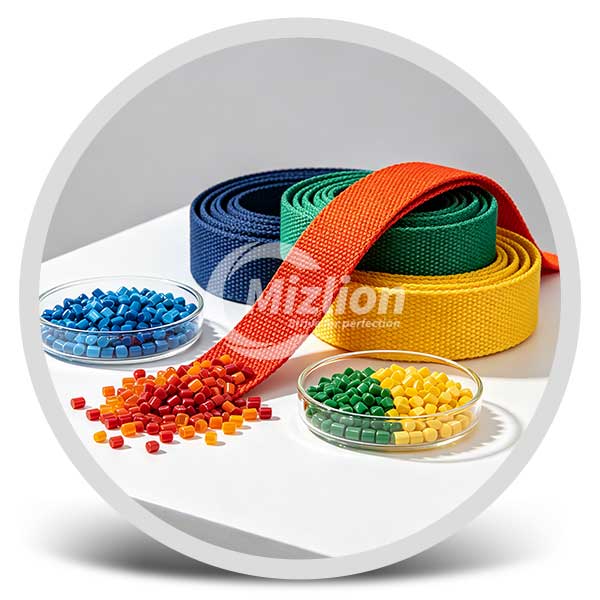
Polypropylene color masterbatches have a carrier that is compatible with the polypropylene system. The processing temperature is between the three. They are mostly used in spinning, webbing, safety ropes, geotextiles, etc. The coloring of polypropylene is relatively difficult, and the masterbatch formulation focuses on strictly controlling dispersion to prevent blockages and breakage during spinning. Many spinning-grade polypropylene color masterbatches have strict requirements for impurity content.
Processing and usage characteristics
polyethylene color masterbatches have better versatility, simple mixing, and low machine installation requirements. Polypropylene color masterbatches are mainly focused on spinning scenarios and have strict requirements for pigment fineness and uniform dispersion. Polyester color masterbatches use polyester-based carriers and need to withstand higher processing temperatures. They are mainly used in polyester spinning, films, injection molding, etc. The formulation selects high-temperature-resistant pigments and additives. Ordinary pigments are prone to decomposition and color change at high temperatures, so the selection range of the pigment system is relatively limited.
Mixing these three types randomly is not advisable. When adding polyester color masterbatches to polyethylene substrates, the carriers are incompatible, and color spots and layering are likely to occur. polyethylene color masterbatches used for polyester spinning will decompose prematurely at high temperatures, causing production abnormalities. Polypropylene color masterbatches used in polyester systems will also cause coloring defects due to mismatched melting points.
Selection summary
Simple distinction: Choose the carrier based on the substrate, and then match the processing temperature. For polyethylene products, choose polyethylene color masterbatches; for spinning and weaving of polyester, choose polypropylene color masterbatches; for polyester fibers or polyester products, choose polyester color masterbatches. When purchasing, in addition to color, prioritize confirming the carrier type, heat resistance level, and whether it is compatible with spinning, blown film, etc. Perform on-machine color verification to avoid batch defects caused by incompatible carriers.
If you need sample consultation, please contact us.