PLA color masterbatch: Coloration schemes, process compatibility and selection tips
PLA color masterbatch: Coloration schemes, process compatibility and selection tips
In the field of coloring for biobased degradable plastics, PLA color masterbatches are a type of specialized coloring material specifically designed for polylactic acid (PLA) resins. It consists of pigments, PLA carriers, and dispersing aids, and is prepared through the melt blending process. It is used for the direct liquid coloring of PLA products. Unlike conventional polyolefin color masterbatches, PLA color masterbatches need to strike a balance between the coloring function and the material's degradability, as well as the processing window. Their formulation design and process window have their own technical characteristics.
Material properties and design constraints
PLA is a linear polyester with ester bonds in its molecular chain. It is prone to hydrolysis and degradation under high temperature and moisture conditions. This property imposes specific requirements on the formulation design and processing conditions of color masterbatches that differ from those of conventional color masterbatches. The carrier resin of PLA color masterbatches must have good compatibility with the base PLA to ensure the uniform distribution of the coloring components during the melt blending process. At the same time, the melting temperature and rheological properties of the carrier itself should match those of the PLA base material to avoid uneven dispersion due to differences in fluidity.
The selection of pigment types also requires special consideration in PLA color masterbatches. The chosen pigments must maintain thermal stability within the processing temperature range of PLA, not decompose, not change color, and not undergo chemical reactions with the PLA matrix. Moreover, for PLA products intended for food contact or children's use, the pigments and additives in the color masterbatch must comply with the corresponding safety standards.
The differences from the conventional color masterbatch process
The PLA color masterbatch has significant differences in its application process compared to polyolefin color masterbatches, mainly manifested in the following aspects:
Drying requirements: PLA is highly sensitive to moisture. Both the color masterbatch and the base material need to be thoroughly dried before processing to keep the moisture content at an extremely low level. Excessive moisture will cause PLA to degrade during the melting process, manifested as a decrease in melt viscosity, deterioration of product mechanical properties, and color shift.
Processing temperature range: The melting temperature of PLA is relatively low and its thermal stability is limited. The processing temperature needs to be controlled within a narrow range. If the temperature is too low, the melt flow will be insufficient, affecting the dispersion of pigments; if the temperature is too high, it may cause thermal degradation. Therefore, the formulation of PLA color masterbatch should fully consider the compatibility with the processing temperature.
Screw combination and shear control: PLA melt is highly sensitive to excessive shear. During the preparation of color masterbatches and subsequent injection molding and spinning processes, the setting of the screw combination and rotational speed should avoid excessive shear to reduce the risk of molecular chain breakage and degradation.
Application fields and corresponding varieties
The application of PLA color masterbatches covers multiple key areas of PLA products:
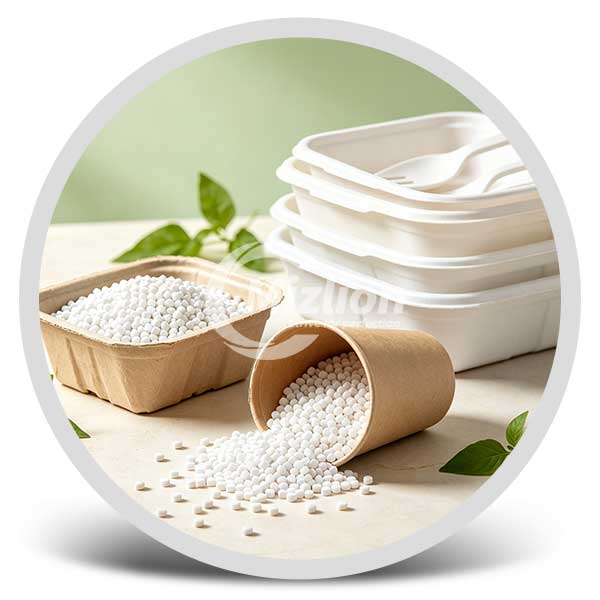
Biodegradable packaging materials: Used for coloring PLA shopping bags, food packaging films and disposable tableware. For these applications, the safety requirements for color masterbatches are quite high. Suitable pigment systems that meet the standards for food contact materials must be selected. The colored PLA packaging products not only maintain the biodegradable and degradable characteristics but also have a uniform and attractive appearance.
3D printing materials: PLA is one of the most commonly used thermoplastic materials for desktop 3D printing. The color masterbatch gives PLA filaments a wide range of color options. At the same time, it requires that the pigments do not clog the nozzle or form bubbles during the melting extrusion process, and that the colors between printing layers are consistent.
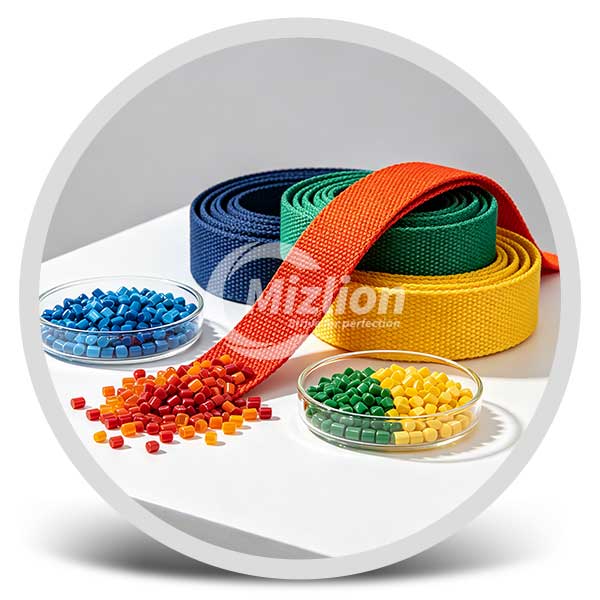
Biobased textiles: PLA fibers possess excellent skin-friendly properties and natural antibacterial properties, and are used in underwear, sportswear, and hygiene products. The spinning-grade PLA color masterbatch must meet the strict requirements of fine-diameter spinning for the fineness and dispersion of pigments, while ensuring that the colored fibers maintain stable color fastness during subsequent processing and use.
Injection molded daily necessities: This includes stationery, toys, cosmetic packaging and household storage products. Such applications have high requirements for the vividness of colors and batch consistency.
Selection Guidelines
Material compatibility: When selecting PLA color masterbatches, it is necessary to clearly specify the corresponding PLA base material type (such as L-type PLA, D-type PLA or copolymer) and processing method (injection molding, spinning, extrusion, blown film, etc.) to ensure the compatibility of the carrier and the process suitability.
Addition of proportion control: The addition amount of color masterbatch should take into account both the coloring depth and the mechanical properties of the product. An excessively high addition amount may lead to a decrease in the impact strength and elongation of the product due to excessive pigment. It is recommended to determine the minimum effective addition amount through small-scale trial production.
Drying management: Before using the PLA color masterbatch, it should be dried at the temperature and for the time recommended by the supplier. It should be used as soon as it is dried. The unused portion should be sealed and used up as soon as possible.
Degradation retention: For PLA color masterbatches used in compostable products, the addition amount should be controlled within the range that maintains the overall degradability of the product. The total addition amount of pigments and additives should not be too high to avoid affecting the degradation rate and compost quality of the final product.
Storage and Usage Suggestions
PLA color masterbatch should be stored in a cool, dry and light-proof environment, with the packaging sealed properly. Once opened, it should be used up within a short period of time. If there are signs of moisture absorption before use, it needs to be dried again. Different color varieties should avoid cross-contamination. When changing the variety, the equipment needs to be cleaned.
Overall, PLA color masterbatches are functional materials that support the color of PLA products. Their formulation design needs to comprehensively consider the balance of coloring effect, processing adaptability, and material degradability. When selecting, based on the color requirements of the final product, safety level, and processing method, combined with standardized drying and addition ratio management, the environmental advantages of PLA materials can be fully exploited and reliable color performance can be achieved.